Introduction
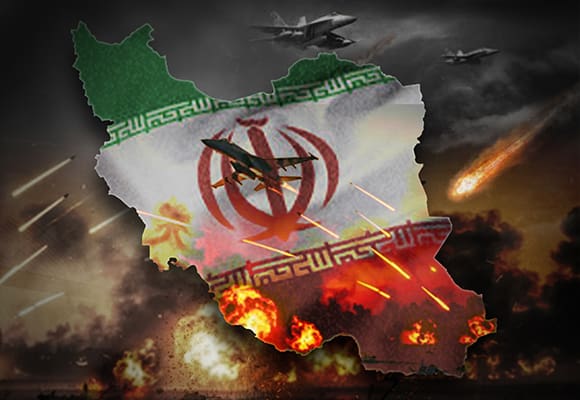
The Iran war is one of the most complex and long-running conflicts in modern history. From the deadly Iran-Iraq war in the 1980s to the latest 2026 conflict, tensions around Iran have shaped global politics, oil prices, and regional stability.
In this blog, we’ll explain the complete history, latest updates, and future risks of the Iran war in a simple and easy-to-understand way.
Part 1: The Beginning – Iran-Iraq War (1980–1988)
Iran-Iraq War Explained (Full History)
The first major modern conflict involving Iran was the Iran-Iraq War, which started in 1980 when Iraq invaded Iran.
Key Facts:
- War lasted 8 years (1980–1988)
- Over 1 million casualties
- One of the deadliest wars of the 20th century ()
Why it started:
- Border disputes
- Religious differences
- Political rivalry after Iran’s revolution
The war ended without a clear winner, but both countries suffered massive losses.
Part 2: Rising Tensions with the United States
After the Iran-Iraq war, tensions between Iran and the United States continued to grow due to:
- Iran’s nuclear program
- Economic sanctions
- Middle East proxy conflicts
Over time, Iran built influence through regional groups, increasing conflict with Western powers. ()
Part 3: What’s Happening in 2026 (Latest War)
- Reuters
- The Guardian
- The Guardian
- Reuters
In 2026, a major war broke out involving Iran, the United States, and Israel.
Key Developments:
- War began in February 2026
- Thousands of airstrikes carried out
- Heavy damage to infrastructure
- Thousands of casualties reported ()
What triggered the war?
- Rising tensions after earlier Middle East conflicts
- Attacks on nuclear and military sites
- Escalation between Iran and Western allies
Current situation:
- Ongoing attacks and retaliation
- Global concern about a wider war
- Oil prices and economies affected worldwide
Part 4: Global Impact of Iran War
The Iran conflict doesn’t just affect one country—it impacts the entire world.
🌍 Major Effects:
- Increase in global oil prices
- Economic instability
- Disruption in trade routes (like Strait of Hormuz) ()
- Risk of a larger regional or global war
Part 5: Why This War Matters
This conflict is important because:
- Iran is a key player in the Middle East
- It affects global energy supply
- It can trigger wider international conflict
Even small escalations can have worldwide consequences.
Part 6: مستقبل (Future of the Iran War)
Experts believe:
- The conflict may continue with limited attacks and retaliation
- Full-scale war is possible but risky
- Diplomatic solutions are still being discussed
However, the situation remains uncertain and highly sensitive.
Conclusion
The Iran war is not just one conflict—it is a series of tensions, wars, and political struggles spanning decades. From the Iran-Iraq war to the ongoing 2026 conflict, it continues to shape global politics.
Understanding this issue helps us better see how world events, fuel prices, and economies are connected.