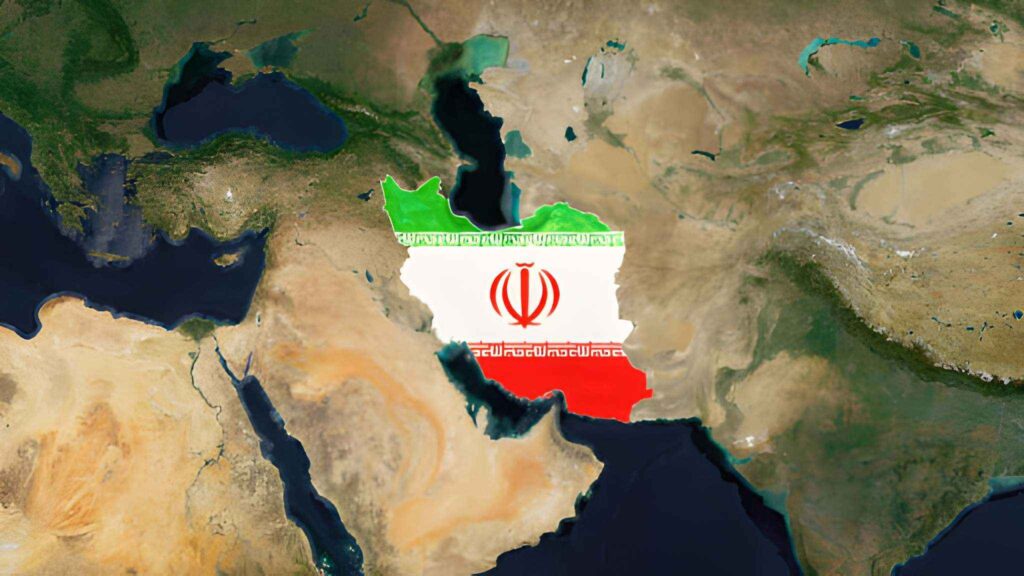
Iran, officially called the Islamic Republic of Iran, is one of the world’s oldest and most influential civilizations. Located in Western Asia (Middle East), Iran is known for its ancient history, rich Persian culture, diverse geography, and strategic global importance.
This complete guide covers Iran’s history, culture, economy, politics, climate, and tourism, making it an ideal resource for readers, researchers, and travelers.
Basic Information About Iran
-
Official Name: Islamic Republic of Iran
-
Capital: Tehran
-
Population: Over 85 million
-
Total Area: 1.65 million sq. km
-
Official Language: Persian (Farsi)
-
Currency: Iranian Rial (IRR)
-
Religion: Islam (mainly Shia)
-
Region: Middle East / Western Asia
Iran is the second-largest country in the Middle East and one of the most historically significant nations in the world.
Geography of Iran
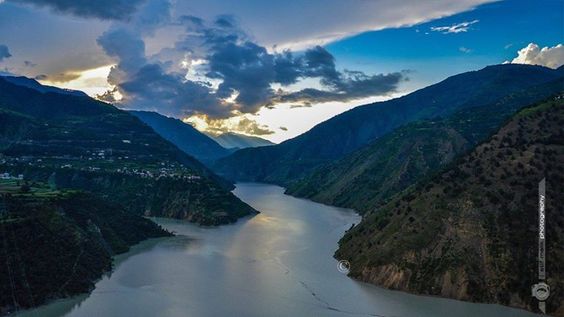
Iran has one of the most diverse landscapes in Asia, including:
-
Major mountain ranges: Alborz and Zagros
-
Large deserts: Dasht-e Kavir and Dasht-e Lut
-
Fertile forests near the Caspian Sea
-
Coastlines along the Persian Gulf and Gulf of Oman
Climate in Iran
Iran experiences multiple climate zones:
-
Hot and dry desert climate in central regions
-
Cold winters in mountainous areas
-
Humid and mild climate in northern Iran
History of Iran
Iran is home to one of the oldest continuous civilizations on Earth.
Ancient Persian Empire
-
Elamite civilization (3000 BCE)
-
Achaemenid Empire founded by Cyrus the Great
-
Famous ancient cities like Persepolis and Pasargadae
Islamic and Medieval Era
-
Islam introduced in the 7th century
-
Major contributions to science, medicine, philosophy, and mathematics
Modern Iran
-
Qajar and Pahlavi dynasties
-
1979 Islamic Revolution
-
Formation of the Islamic Republic of Iran
Government and Political System of Iran
Iran has a unique political system combining democracy and religious leadership.
Key Political Institutions:
-
Supreme Leader
-
President
-
Islamic Consultative Assembly (Parliament)
-
Judiciary
Iran’s constitution blends Islamic law with elected governance.
Economy of Iran
Iran has one of the largest economies in the Middle East, supported by:
-
Oil and natural gas reserves (among the world’s largest)
-
Agriculture (saffron, pistachios, wheat)
-
Manufacturing and mining
-
Growing technology and startup sector
Despite international sanctions, Iran remains a key player in global energy markets.
Iranian Culture and Traditions
Iranian culture is rooted in Persian heritage and Islamic values.
Cultural Highlights:
-
Persian poetry (Rumi, Hafez, Saadi, Ferdowsi)
-
Traditional music and instruments
-
World-famous Persian carpets
-
Calligraphy and miniature art
Major Festivals:
-
Nowruz (Persian New Year)
-
Yalda Night
-
Islamic holidays such as Eid
Iranian hospitality is well known worldwide.
Language and Ethnic Diversity in Iran
While Persian (Farsi) is the official language, Iran is ethnically diverse:
-
Persians
-
Azeris
-
Kurds
-
Lurs
-
Arabs
-
Baluchis
Many Iranians speak multiple languages.
Education and Science in Iran
Iran places strong emphasis on education and research:
-
High literacy rate
-
Leading universities
-
Advances in engineering, medicine, nanotechnology, and space science
Iranian scholars and students contribute globally.
Tourism in Iran
Iran is home to 27 UNESCO World Heritage Sites, including:
-
Persepolis
-
Naqsh-e Jahan Square (Isfahan)
-
Golestan Palace
-
Yazd (historic city)
-
Pasargadae
Iran offers rich cultural tourism, historical landmarks, and natural beauty.
Iran in the Modern World
Iran plays an important role in:
-
Middle Eastern geopolitics
-
Energy production
-
Cultural and religious influence
Despite challenges, Iran remains a nation with strong identity and global relevance.
Conclusion
Iran is a country of ancient history, cultural depth, natural diversity, and global importance. From its powerful empires to its modern society, Iran continues to shape regional and world history.
Understanding Iran means understanding one of humanity’s greatest civilizations.