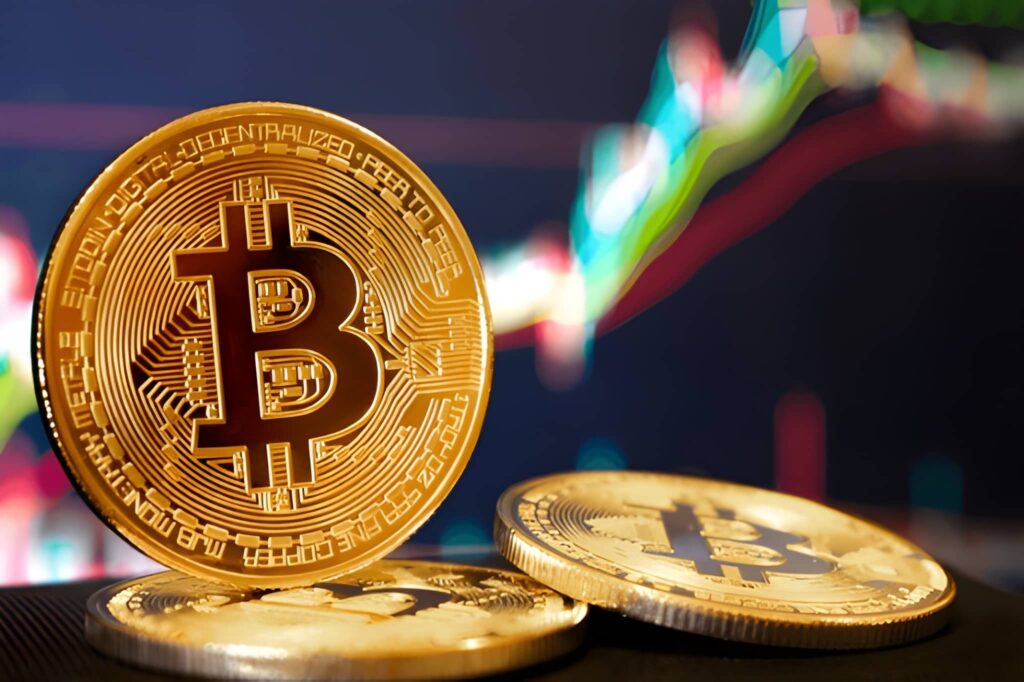
Bitcoin: Everything You Need to Know About the World’s First Cryptocurrency
Bitcoin (BTC) is the world’s first and most popular cryptocurrency, and it has revolutionized the way people think about money, investments, and financial freedom. Since its launch in 2009, Bitcoin has grown from a niche digital experiment to a global financial phenomenon.
This blog explores what Bitcoin is, how it works, its price trends, benefits, risks, and future outlook.
What is Bitcoin?
Bitcoin is a digital currency that operates without a central authority or bank. It allows peer-to-peer transactions over a decentralized network called blockchain.
Key features of Bitcoin:
-
Decentralized: No government or bank controls it.
-
Limited Supply: Only 21 million bitcoins will ever exist.
-
Secure: Transactions are recorded on the blockchain, making them immutable and transparent.
-
Pseudonymous: Users can send or receive bitcoins without revealing personal identities.
Bitcoin can be used for online purchases, investments, remittances, and as a hedge against inflation.
How Bitcoin Works
Bitcoin works on blockchain technology, which is a distributed ledger shared across millions of computers worldwide. Each transaction is verified by a process called mining, where miners solve complex mathematical problems to validate and add transactions to the blockchain.
Mining rewards miners with new bitcoins, creating a self-sustaining ecosystem. The blockchain ensures transparency, security, and resistance to fraud.
Bitcoin Price in USD
Bitcoin’s price is highly volatile, often changing drastically within hours. Factors affecting its price include:
-
Supply and Demand: More buyers than sellers push the price up.
-
Market Sentiment: News, rumors, and social media trends influence investor behavior.
-
Regulatory Changes: Government bans, regulations, or endorsements affect value.
-
Global Economy: Inflation, currency devaluation, or financial crises can increase Bitcoin demand.
Historical price milestones:
-
2009: Launched at virtually $0.
-
2013: $1,000
-
2017: $20,000
-
2021: Over $60,000
Tracking Bitcoin in USD is essential for investors, traders, and anyone participating in crypto markets.
Benefits of Bitcoin
-
Decentralization: No central authority controls it.
-
Security: Transactions are secure and irreversible.
-
Transparency: Public ledger accessible to all.
-
Global Accessibility: Anyone with internet access can use Bitcoin.
-
Potential High Returns: Bitcoin has historically provided significant gains for long-term holders.
Risks of Bitcoin
-
Price Volatility: Sudden swings can lead to losses.
-
Regulatory Risk: Governments may impose restrictions.
-
Security Risks: Wallet hacks and scams exist.
-
Limited Acceptance: Not all businesses accept Bitcoin.
-
Complexity: New users may find blockchain and wallets confusing.
How to Buy and Store Bitcoin
-
Crypto Exchanges: Platforms like Binance, Coinbase, and Kraken allow you to buy BTC using USD or other currencies.
-
Wallets: Store Bitcoin in hardware wallets, mobile wallets, or desktop wallets for security.
-
Safety Tips: Use strong passwords, two-factor authentication, and never share your private keys.
Bitcoin vs. Traditional Currency
Unlike fiat money (USD, EUR, PKR), Bitcoin is not controlled by any central bank. Its supply is limited and predictable, making it resistant to inflation. Transactions are fast, borderless, and cheaper than traditional bank transfers.
The Future of Bitcoin
Bitcoin is increasingly seen as:
-
A store of value like digital gold.
-
A hedge against inflation and economic uncertainty.
-
A mainstream investment asset, with institutions and companies adding BTC to their balance sheets.
Despite challenges like volatility and regulation, Bitcoin’s adoption continues to grow globally.
Conclusion
Bitcoin is more than just a digital currency—it’s a financial revolution. From its decentralized nature and blockchain technology to investment potential and global adoption, Bitcoin has fundamentally changed the world of finance.
Whether you’re an investor, trader, or enthusiast, understanding Bitcoin, its price trends, and how it works is essential in today’s digital economy.