Introduction
Iceland is one of the most fascinating countries in the world. Often called the “Land of Fire and Ice,” Iceland is famous for its dramatic landscapes, including active volcanoes, massive glaciers, geysers, and hot springs. Despite its small population of around 370,000 people, Iceland offers some of the most breathtaking natural wonders on Earth, attracting travelers, scientists, and adventurers from around the globe.
Iceland is not only about nature; it also has a rich history, vibrant culture, and strong commitment to sustainability, making it a unique destination to explore and study.
Geography and Location
Iceland is an island nation in the North Atlantic Ocean, located between Greenland and Norway, and near the Arctic Circle.
-
Total area: ~103,000 km²
-
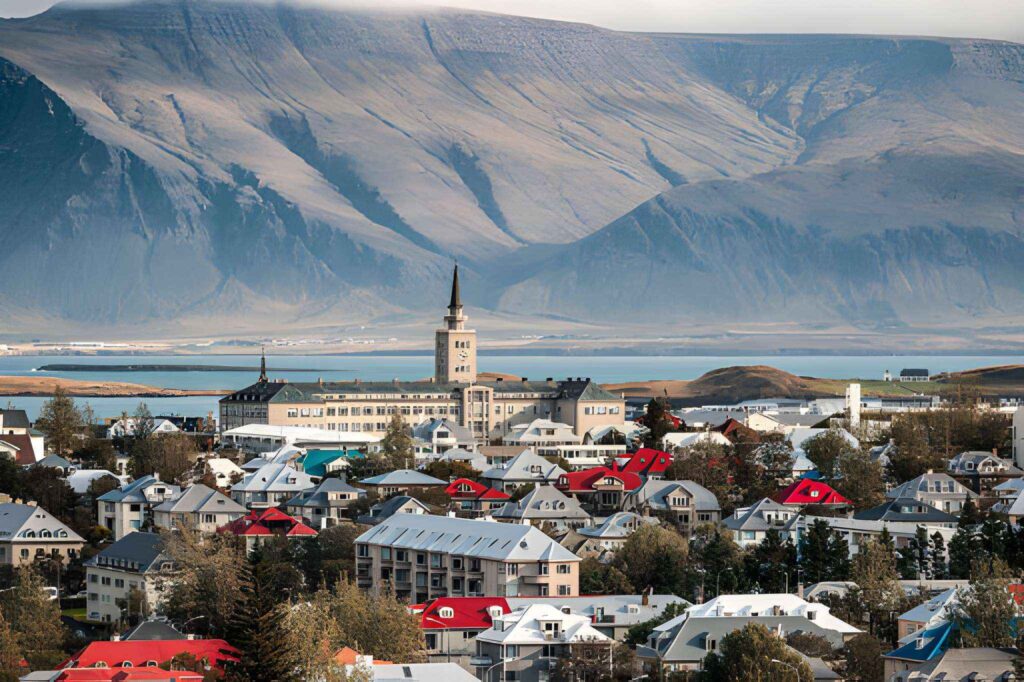
Capital city: Reykjavik, the northernmost capital city in the world
-
Coastline: ~4,970 km, featuring fjords, cliffs, and beaches
Despite its northern location, Iceland experiences milder temperatures than expected due to the Gulf Stream, which warms its coastal areas. The country is geologically active, sitting on the Mid-Atlantic Ridge, where the North American and Eurasian tectonic plates meet.
A Brief History of Iceland
Iceland’s history is rich and fascinating:
-
Settled around 874 AD by Norse Vikings
-
Known for the Icelandic sagas, epic stories of Viking explorers and settlers
-
Became an independent republic in 1944, leaving Denmark
-
Maintains a strong cultural heritage, including language, literature, and music
Icelanders are proud of their Viking roots, and the culture strongly reflects storytelling, music, and art passed down through generations.
People and Culture
The people of Iceland, called Icelanders, are known for being friendly, creative, and connected to nature.
-
Language: Icelandic (one of the oldest living languages in Europe)
-
Population: ~370,000, mostly living in coastal towns
-
Traditions: Folk tales, storytelling, music festivals, and national holidays
-
Cuisine: Seafood, lamb, skyr (Icelandic yogurt), and traditional fermented foods
Icelanders value community, education, and sustainability, making it one of the happiest and safest countries in the world.
Nature and Landscapes
Iceland is famous for its extreme and beautiful landscapes, which include:
Volcanoes and Lava Fields
-
Iceland has over 30 active volcanic systems
-
Famous volcanoes: Eyjafjallajökull, Hekla, Katla
-
Lava fields create dramatic scenery and fertile soil
Glaciers and Ice Caves
-
Glaciers cover about 11% of Iceland’s land
-
Famous glaciers: Vatnajökull, Langjökull, Mýrdalsjökull
-
Ice caves and glacier lagoons, like Jökulsárlón, are popular tourist attractions
Waterfalls
-
Iceland has hundreds of waterfalls, including:
-
Gullfoss – the Golden Falls
-
Seljalandsfoss – walk behind the waterfall
-
Dettifoss – one of Europe’s most powerful waterfalls
-
Hot Springs and Geysers
-
Blue Lagoon – famous geothermal spa
-
Geysir – the geyser that gave its name to all geysers worldwide
-
Iceland uses geothermal energy for heating and electricity
Northern Lights (Aurora Borealis)
-
Visible from September to April
-
A natural light show that attracts thousands of tourists each year
Wildlife in Iceland
Iceland is home to unique wildlife, especially along the coasts and oceans:
-
Birds: Puffins, Arctic terns, and seagulls
-
Mammals: Arctic foxes, reindeer, and whales (humpback, minke, orca)
-
Marine life: Rich fishing waters provide cod, salmon, and other seafood
Wildlife conservation is important in Iceland, and many areas are protected as nature reserves and national parks.
Tourism and Adventure Activities
Iceland is a top destination for adventure and nature tourism:
-
Hiking and trekking through mountains and volcanoes
-
Glacier walks and ice climbing
-
Whale watching and birdwatching
-
Bathing in hot springs
-
Exploring volcanic landscapes and lava caves
-
Experiencing Icelandic culture through festivals and museums
Iceland’s unique combination of fire and ice landscapes makes it a dream destination for photographers, scientists, and adventurers.
Climate and Environment
Iceland has a cold oceanic climate:
-
Summers: Mild (10–15°C)
-
Winters: Cold but moderated by the Gulf Stream (0–-5°C in Reykjavik)
-
Weather changes quickly, so travelers must be prepared for all conditions
Iceland is also known for its commitment to renewable energy. Most electricity and heating come from geothermal and hydroelectric power, making Iceland a leader in sustainable living.
Economy and Lifestyle
Iceland’s economy relies on:
-
Fishing – a major export industry
-
Tourism – attracts millions of visitors each year
-
Renewable energy – geothermal and hydropower
-
Technology and research – especially in renewable energy and marine science
Life in Iceland is peaceful and safe. Education and healthcare are highly developed, and people enjoy a high standard of living.
Why Iceland Is Special
Iceland is special because it combines:
-
Extreme natural beauty (volcanoes, glaciers, waterfalls)
-
Rich history and Viking culture
-
Adventure and tourism opportunities
-
Sustainability and renewable energy leadership
-
Unique wildlife and protected environments
No other country on Earth offers such a combination of fire, ice, and natural wonders.
Conclusion
Iceland is a land of fire, ice, and breathtaking natural beauty. From glaciers and volcanoes to waterfalls and geysers, Iceland offers experiences that cannot be found anywhere else. Its friendly people, rich culture, and commitment to nature make it a must-visit destination for adventurers, travelers, and anyone curious about the wonders of our planet.