India is one of the most diverse and historically rich countries in the world. Located in South Asia, India is known for its ancient civilization, vibrant culture, spiritual heritage, fast-growing economy, and democratic values. With over 1.4 billion people, India plays a major role in global politics, trade, technology, and tourism.
Basic Information About India
-
Country Name: Republic of India
-
Capital City: New Delhi
-
Population: 1.4+ billion
-
Total Area: 3.28 million sq. km
-
Currency: Indian Rupee (INR)
-
Official Languages: Hindi and English
-
Government Type: Federal parliamentary democratic republic
-
Independence Day: 15 August 1947
India is the world’s largest democracy and one of the fastest-developing nations.
Geography of India
India has one of the most diverse geographical landscapes on Earth.
Major Physical Features
-
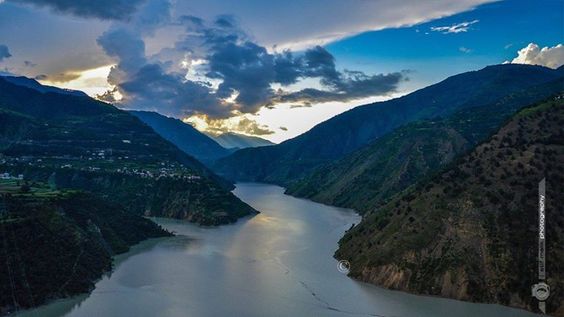
The Himalayan Mountains in the north
-
The Indo-Gangetic Plains, ideal for agriculture
-
The Thar Desert in the west
-
Plateaus and forests in central India
-
Long coastlines along the Arabian Sea and Bay of Bengal
India shares borders with Pakistan, China, Nepal, Bhutan, Bangladesh, and Myanmar.
History of India
India’s history dates back more than 5,000 years, making it one of the oldest civilizations in the world.
Ancient Indian Civilization
-
Indus Valley Civilization
-
Major contributions to mathematics, astronomy, and medicine
-
Birthplace of Hinduism, Buddhism, Jainism, and Sikhism
Medieval India
-
Powerful empires like Maurya, Gupta, and Mughal
-
Growth of art, literature, architecture, and trade
British Rule and Independence
-
British colonial rule began in the 18th century
-
India gained independence on 15 August 1947
-
Freedom fighters included Mahatma Gandhi, Jawaharlal Nehru, and Subhas Chandra Bose
Indian Culture and Traditions
Indian culture is known for its unity in diversity.
Religions in India
-
Hinduism
-
Islam
-
Christianity
-
Sikhism
-
Buddhism
-
Jainism
Festivals of India
-
Diwali
-
Holi
-
Eid
-
Christmas
-
Navratri
-
Durga Puja
Traditional Clothing
-
Saree
-
Kurta Pajama
-
Salwar Kameez
-
Dhoti
Languages of India
India has 22 officially recognized languages and hundreds of dialects.
Popular languages include:
-
Hindi
-
Bengali
-
Tamil
-
Telugu
-
Marathi
-
Urdu
-
Gujarati
-
Kannada
-
Malayalam
-
Punjabi
Indian Food and Cuisine
Indian cuisine is famous worldwide for its variety and spices.
Popular Indian Dishes
-
Biryani
-
Butter Chicken
-
Dosa and Idli
-
Samosa
-
Paneer-based dishes
-
Indian street food like Chaat and Pani Puri
Each region of India has its own unique food culture.
Economy of India
India has one of the fastest-growing major economies in the world.
Key Economic Sectors
-
Information Technology (IT)
-
Agriculture
-
Manufacturing
-
Pharmaceuticals
-
Space technology
-
Digital startups
India is a global leader in software services and pharmaceutical exports.
Education and Technology in India
-
Home to prestigious institutions like IITs, IIMs, and AIIMS
-
Strong space research organization (ISRO)
-
Advances in digital payments, AI, and startups
Tourism in India
India is one of the top global tourist destinations.
Famous Tourist Places in India
-
Taj Mahal, Agra
-
Jaipur and Rajasthan forts
-
Kerala backwaters
-
Goa beaches
-
Varanasi and Rishikesh
-
Himalayan hill stations
India offers heritage tourism, spiritual tourism, medical tourism, and adventure tourism.
Modern India
Modern India combines ancient traditions with modern development:
-
Rapid digital transformation
-
Growing infrastructure
-
Young population
-
Increasing global influence
Conclusion
India is a country of immense history, culture, and opportunity. From ancient civilizations to modern technology, India continues to evolve while preserving its traditions. Whether you are researching, traveling, or doing business, India offers endless possibilities.
Frequently Asked Questions (FAQ) About India
Q1: What is the population of India?
A: India has a population of over 1.4 billion people, making it the second-most populous country in the world.
Q2: What is the capital of India?
A: The capital city of India is New Delhi.
Q3: What are the official languages of India?
A: India has two official languages: Hindi and English, along with 22 recognized regional languages.
Q4: When did India gain independence?
A: India gained independence from British rule on 15 August 1947.
Q5: What is the currency of India?
A: The currency of India is the Indian Rupee (INR).
Q6: Which countries border India?
A: India shares borders with Pakistan, China, Nepal, Bhutan, Bangladesh, and Myanmar.
Q7: What are the major religions in India?
A: India is home to Hinduism, Islam, Christianity, Sikhism, Buddhism, and Jainism.
Q8: What are some famous tourist destinations in India?
A: Popular destinations include the Taj Mahal (Agra), Jaipur and Rajasthan forts, Kerala backwaters, Goa beaches, Varanasi, Rishikesh, and Himalayan hill stations.
Q9: What is India known for culturally?
A: India is known for its vibrant festivals, traditional clothing, diverse cuisine, classical music, and dance forms.
Q10: What are the main sectors of India’s economy?
A: India’s economy includes Information Technology, Agriculture, Manufacturing, Pharmaceuticals, Space Technology, and Digital Startups.
Q11: What is India’s largest festival?
A: Diwali, the festival of lights, is considered India’s largest and most widely celebrated festival.
Q12: What is the Indus Valley Civilization?
A: The Indus Valley Civilization is one of the world’s oldest urban civilizations, known for advanced town planning, trade, and culture.