Japan is a country that seamlessly blends ancient traditions with cutting-edge technology. Located in East Asia, Japan is made up of over 6,800 islands, with the four main islands—Honshu, Hokkaido, Kyushu, and Shikoku—hosting most of its population and cultural landmarks. Known as the Land of the Rising Sun, Japan has a rich history spanning thousands of years, a vibrant culture, stunning natural landscapes, and a strong, modern economy.
With a population of around 125 million, Japan is a global leader in technology, innovation, culture, and tourism, attracting millions of visitors and businesses every year.
Basic Facts About Japan
-
Official Name: Japan
-
Capital: Tokyo
-
Population: ~125 million
-
Total Area: 377,975 sq. km
-
Currency: Japanese Yen (JPY)
-
Official Language: Japanese
-
Government: Constitutional monarchy with parliamentary system
-
National Day: 11 February (National Foundation Day)
Geography of Japan
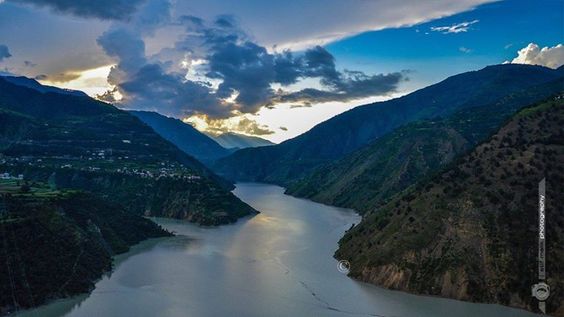
Japan’s geography is as diverse as it is beautiful:
-
Mountains: Mount Fuji (Japan’s tallest peak), Japanese Alps
-
Rivers: Shinano, Tone, Kiso
-
Coasts: Surrounded by the Pacific Ocean, Sea of Japan, East China Sea
-
Climate: Ranges from cold winters in Hokkaido to subtropical conditions in Okinawa
-
Natural beauty: Cherry blossoms in spring, maple leaves in autumn, volcanic hot springs (onsen), bamboo forests, and pristine beaches
A Glimpse Into Japan’s History
Japan has a history that stretches over thousands of years, with a rich mix of traditions, emperors, samurais, and modern reformers.
Ancient Japan
-
Jomon and Yayoi periods: Early agriculture, pottery, and settlements
-
Introduction of Buddhism and Chinese influence on writing, governance, and architecture
Feudal Japan
-
Rise of samurai warriors, shoguns, and feudal clans
-
Art, literature, and theater (Kabuki, Noh, and traditional poetry) flourished
Modern Japan
-
Meiji Restoration (1868): Rapid modernization, end of feudal rule
-
Japan became an industrial power, embracing Western technology
-
Post-WWII: Japan rebuilt its economy to become a global technological and economic leader
Culture and Traditions
Japanese culture is vibrant, unique, and globally admired:
-
Languages: Japanese is the official language, with regional dialects like Kansai-ben and Hokkaido dialects
-
Religions: Shinto (indigenous), Buddhism, Christianity, and folk traditions
-
Festivals:
-
Cherry Blossom Festival (Hanami) – celebrating spring
-
Gion Matsuri – Kyoto’s grand festival
-
Obon Festival – honoring ancestors
-
Tanabata – star festival with colorful decorations
-
-
Traditional Clothing: Kimono, Yukata, and ceremonial garments for special occasions
-
Arts & Entertainment: Origami, calligraphy, tea ceremonies, traditional theater (Kabuki, Noh, Bunraku), modern manga and anime
Japanese Cuisine
Japan’s food culture is world-famous for its freshness, presentation, and flavor:
-
Popular dishes: Sushi, Sashimi, Ramen, Tempura, Takoyaki, Udon, Okonomiyaki
-
Regional specialties:
-
Hokkaido: Fresh seafood and dairy
-
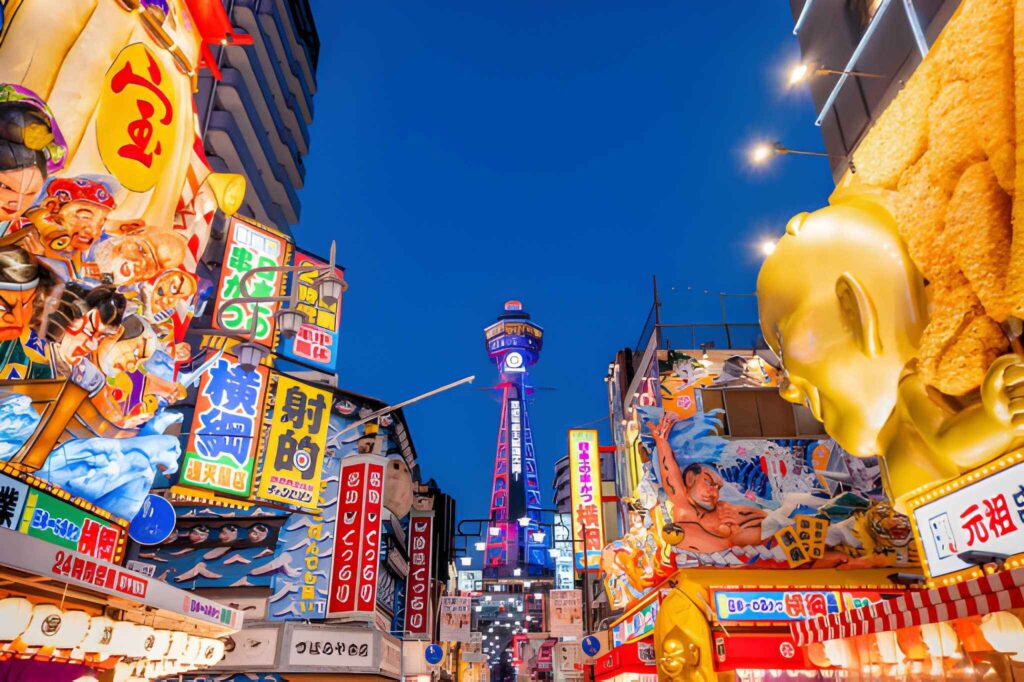
Osaka: Okonomiyaki and street food
-
Kyoto: Kaiseki (traditional multi-course meals)
-
Okinawa: Tropical cuisine with unique local ingredients
-
-
Global influence: Japanese cuisine is increasingly popular worldwide, with sushi, ramen, and Japanese-style cafés in many countries
Economy of Japan
Japan has one of the largest and most advanced economies in the world:
-
Key industries: Automobiles, electronics, robotics, high-tech manufacturing, AI, gaming, and tourism
-
Japan is home to global companies like Toyota, Sony, Nintendo, Panasonic, and SoftBank
-
Tourism growth: Japan welcomed over 30 million international visitors in 2019, and numbers are rising again post-pandemic
-
Innovation: Japan is leading in renewable energy, AI, robotics, and smart city projects
Education and Technology
Japan is a global leader in education and technology:
-
Prestigious universities: University of Tokyo, Kyoto University, Osaka University
-
Innovations: Bullet trains (Shinkansen), advanced robotics, AI, and space technology
-
STEM education and research foster Japan’s highly skilled workforce
Tourism in Japan
Japan attracts visitors with its heritage, nature, and modern cities:
-
Must-visit places:
-
Tokyo: Skyscrapers, shopping, and modern culture
-
Kyoto: Ancient temples, traditional gardens, Geisha districts
-
Osaka: Street food capital and Universal Studios Japan
-
Hiroshima: Peace Memorial Park
-
Hokkaido: Snow festivals, skiing, and hot springs
-
Okinawa: Tropical beaches and coral reefs
-
-
Japan offers cultural tourism, adventure tourism, spiritual retreats, and city exploration
Modern Japan
Japan today is a blend of tradition and technology:
-
Advanced transport systems, high-tech cities, and smart infrastructure
-
Preserves temples, shrines, and cultural festivals
-
Global influence in technology, pop culture (anime, manga), and economy
-
Increasing focus on sustainability, renewable energy, and digital innovation
FAQ About Japan
Q1: What is the population of Japan?
A: Around 125 million people
Q2: What is the capital of Japan?
A: Tokyo
Q3: What is the currency of Japan?
A: Japanese Yen (JPY)
Q4: What are famous landmarks in Japan?
A: Mount Fuji, Kyoto temples, Tokyo Tower, Hiroshima Peace Memorial, Osaka Castle
Q5: What are traditional Japanese festivals?
A: Cherry Blossom Festival, Gion Matsuri, Obon, Tanabata
Q6: What is Japan known for?
A: Culture, technology, food, festivals, anime, manga, and advanced economy
Q7: What is Japanese cuisine famous for?
A: Sushi, Ramen, Tempura, Sashimi, Okonomiyaki, and regional specialties
Q8: What makes Japan unique?
A: Its combination of ancient traditions, modern technology, natural beauty, and global influence