Mian Muhammad Nawaz Sharif: Biography, Political Career, and Legacy in Pakistan
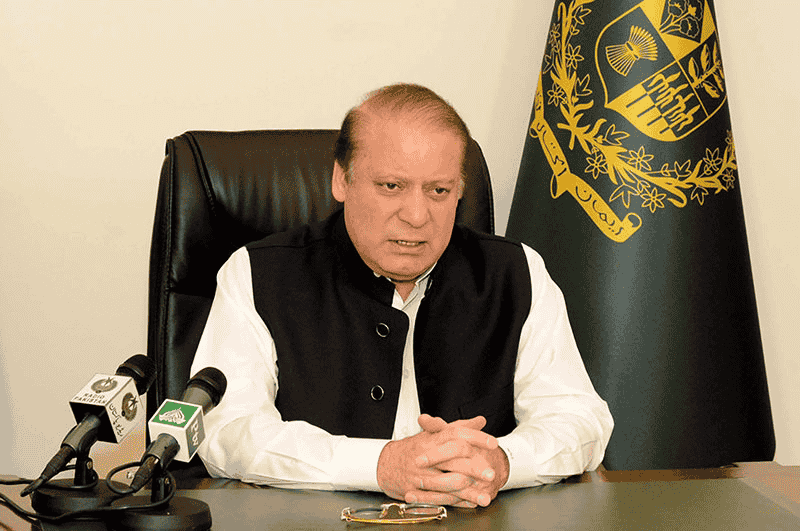
Mian Muhammad Nawaz Sharif is one of the most prominent and influential political leaders in Pakistan’s history. As a three-time Prime Minister of Pakistan and leader of the Pakistan Muslim League (N), Nawaz Sharif has played a decisive role in shaping the country’s politics, economy, and development agenda.
This blog explores Nawaz Sharif’s biography, political career, achievements, controversies, and lasting impact on Pakistan.
Early Life and Education
Nawaz Sharif was born on December 25, 1949, in Lahore, Pakistan, into a well-known industrialist family. His family’s business background strongly influenced his economic vision and emphasis on private-sector growth. Before entering politics, he was actively involved in industrial management, which later shaped his pro-business policies.
Entry into Politics
Nawaz Sharif began his political career in the 1980s and rose rapidly due to his administrative skills and strong support base in Punjab. He first gained national recognition as the Chief Minister of Punjab, where he focused on infrastructure development, industrial growth, and governance reforms.
His leadership in Punjab laid the foundation for his rise to the office of Prime Minister.
Nawaz Sharif as Prime Minister of Pakistan
Nawaz Sharif served as Prime Minister of Pakistan three times:
-
1990–1993
-
1997–1999
-
2013–2017
Key Achievements
-
Economic reforms and privatization to encourage investment
-
Pakistan’s nuclear tests in 1998, establishing the country as a nuclear power
-
Major infrastructure projects, including highways, energy projects, and metro systems
-
Launch of large-scale initiatives under the China-Pakistan Economic Corridor (CPEC) during his third term
These policies strengthened Pakistan’s infrastructure and development framework, especially in urban centers.
Political Challenges and Controversies
Nawaz Sharif’s career has also been marked by controversy and political struggle. His second government ended following a military coup in 1999, leading to exile. His third term concluded after a judicial disqualification in 2017 related to corruption cases.
Despite legal battles, political opposition, and periods away from power, Nawaz Sharif has remained a resilient political figure with continued influence in national politics.
Political Ideology and Vision
Nawaz Sharif is widely associated with:
-
Development-focused governance
-
Support for civilian supremacy
-
Economic diplomacy and improved regional relations
-
Infrastructure-led growth and industrial expansion
Supporters praise his role in development and economic stability, while critics argue that his leadership style often led to institutional conflicts.
Family and Political Legacy
Nawaz Sharif belongs to one of Pakistan’s most influential political families. His brother Shehbaz Sharif and daughter Maryam Nawaz Sharif are leading figures in the Pakistan Muslim League (N). The Sharif family continues to play a major role in Pakistani politics, particularly in Punjab.
Conclusion
Mian Muhammad Nawaz Sharif remains a defining personality in Pakistan’s political history. His multiple terms as Prime Minister, landmark decisions, development projects, and political resilience have left a lasting imprint on the country. Whether viewed as a reformer or a controversial leader, his influence on Pakistan’s political and economic landscape is undeniable.